IMN.Expert is an international consultancy that designs cooperation instead of conflict

We build cross-border projects, strategic frameworks and expert ecosystems that make collaboration more profitable, more rational and more sustainable than geopolitical competition.

IMN.Expert operates at this intersection — combining behavioral science, systems thinking and pragmatic diplomacy to help governments, corporations and expert communities create solutions that endure.

A new architecture for global stability!

A new architecture for global stability!

Our insights

  • Workers assemble a large military tank inside a spacious industrial workshop.

    Defense as architecture: how security spending redesigns the state

    Rising defense budgets are no longer just about military readiness. They are reshaping states from the inside. IMN.Expert’s analysis shows how security spending is increasingly used as a tool of industrial policy — driving manufacturing, technology development, and workforce planning. In 2026, the key issue will not be how much governments spend, but how these budgets restructure supply chains, dependencies, and long-term strategic autonomy.

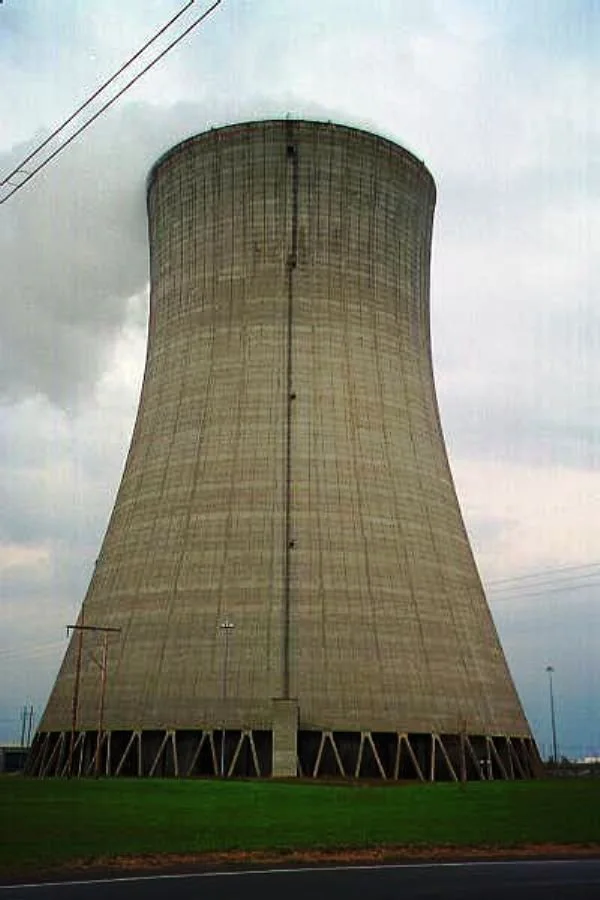
  • Cooling tower with a hyperbolic shape against a cloudy sky.

    Capital without illusions: the energy transition as risk management

    The energy transition is no longer shaped by ideology. It is shaped by risk. Capital is flowing toward systems that reduce uncertainty — through grids, storage, guarantees, and resilience. IMN.Expert treats energy policy as a form of governance: the ability to stabilize systems and lower risk now matters more than the choice of technology. In 2026, the decisive factor will be which states can make energy investment predictable — not which ones promise transformation.

  • Golden wheat field at sunset with a farm and barn in the background.

    There Is enough food. Why does the world feel unsafe?

    Food production is rising faster than population growth, yet global anxiety and instability continue to deepen.
    This analysis explores the paradox of abundance in a world increasingly shaped by risk, institutional fragmentation, and declining trust. Drawing on economic data and social theory, it argues that today’s conflicts are driven less by resource scarcity than by struggles over control, access, and predictability. The article examines why material progress has not translated into a sense of security—and what this reveals about the current phase of global development.

Our services

  • We design and structure complex international projects that align interests across borders — in energy, climate, technology, infrastructure, human capital, and regional development.

    Our work goes beyond coordination. We help build project architectures where stability is not declared politically, but emerges as a shared outcome of economic, social, and strategic incentives.

    What we deliver:

    • Cross-border project design and stakeholder alignment

    • Strategic frameworks for long-term cooperation

    • Risk-aware architectures that survive political cycles

  • We build and manage coordinated global networks of strategists, economists, behavioral scientists, and regional experts.

    These networks function as living intelligence systems — capable of producing insight, foresight, and collective problem-solving in real time, rather than static reports.

    What we deliver:

    • Curated international expert networks tailored to specific challenges

    • Structured expert collaboration and scenario development

    • Ongoing analytical support for decision-makers

  • We develop cooperation models that translate diplomacy into tangible social outcomes — from energy resilience and climate adaptation to education, digital inclusion, and community development.

    Our approach treats social impact not as a byproduct of diplomacy, but as its foundation. When societies see real benefits, diplomatic arrangements become durable.

    What we deliver:

    • Social-impact–driven cooperation frameworks

    • Programs linking geopolitics with local development

    • Metrics and narratives that make impact visible and credible

Upcoming events

  • Exhibit of a lunar module replica with scientific equipment and model spacecraft components in a museum display.

    Space summit

    Feb.2-3 2026

    Space Summit 2026 reflects a shift from exploration to governance. IMN.Expert will track how space is becoming an arena of industrial policy, capital allocation, and strategic coordination—where risk management, not ambition, increasingly shapes the future of the global space economy.

  • Large conference room with rows of chairs facing a stage with multiple screens and blue lighting.

    Munich security conference

    Feb.13-15 2026

    Munich 2026 will focus less on threats and more on constraints. IMN.Expert will analyze how security is redefined as industrial capacity, alliance fatigue, and risk containment — revealing how states prepare not for victory, but for prolonged instability.

  • WTO Ministerial Conference

    Mar. 26-29 2026

    Conference highlights the growing tension between global trade rules and geopolitical reality. IMN.Expert will track how trade governance is being reshaped by industrial policy, sanctions, and strategic fragmentation—where resilience and political alignment increasingly outweigh liberalization in the global trading system.

Expert analyses: IMN commentary

  • A woman with dark shoulder-length hair and light skin in a white lab coat, smiling gently and resting her chin on her hand, with a colorful abstract background.

    Rebecca Lissner

    On the global nuclear order: why countries start seeking new security guarantees

    For Foreign Policy

  • A woman with long, wavy reddish-brown hair wearing a blue and white patterned blazer and jewelry, smiling with arms crossed in front of a cityscape background with buildings and a cloudy sky.

    Elizabeth Economy

    How China Wins the Future: why Beijing is competing not for today’s markets, but for control over the systems that will define power in the decades ahead.

    For Foreign Affairs

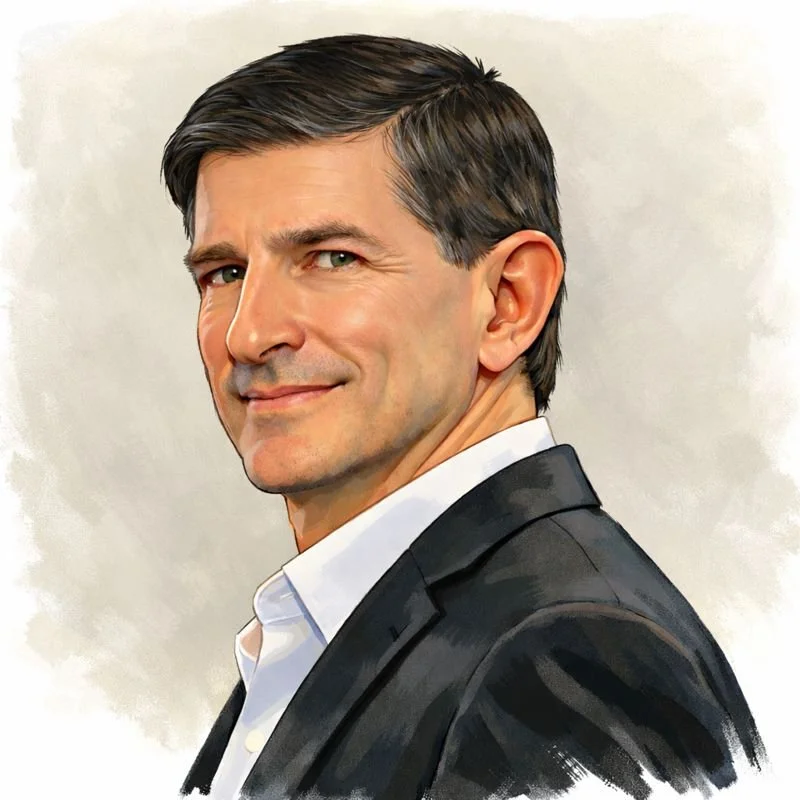
  • A professional man in a black suit and white shirt looking over his shoulder with a slight smile against a plain background.

    Robert Rapier

    An expert analysis of why, in an era of fuel abundance, electricity and infrastructure have become the real constraints on global growth.

    For Forbes